A beginner-friendly guide to buying Ethereum in South Africa in 2027 using VALR, Luno, OKX and Ledger. Learn the best ETH exchanges, deposit methods, network selection, wallet storage, gas fees and safety rules.
Summary
By 2027, Ethereum is no longer just a crypto asset people buy on exchanges.
It is the base asset for one of the largest smart contract ecosystems in the world.
ETH is used for gas fees, DeFi, NFTs, Layer 2 networks, stablecoin transfers, staking, on-chain apps and wallet activity.
For South Africans, buying ETH usually starts the same way as buying Bitcoin:
Open an exchange account.
Verify identity.
Deposit rand.
Buy ETH.
Choose the correct network.
Withdraw to a wallet if holding long term.
The best platforms to buy Ethereum in South Africa in 2027 are VALR, Luno, OKX and Ledger.
VALR is the best all-round South African platform for ETH buyers who want ZAR access and local trading tools.
Luno is the easiest beginner app for buying ETH with rand.
OKX is the best Ethereum ecosystem platform for users who want exchange trading plus Web3 and wallet tools.
Ledger is the best Ethereum wallet in this guide for long-term self-custody.
The 2027 rule is simple:
Buy ETH on an exchange.
Use the right network when withdrawing.
Keep ETH for gas.
Store long-term ETH securely.
Quick Answer
The best way to buy Ethereum in South Africa in 2027 is to use VALR or Luno, deposit rand, buy ETH, then move long-term holdings to Ledger once you understand network selection and gas fees.
Best overall ETH exchange for South Africans:
VALR
Easiest ETH app for beginners:
Luno
Best global and Web3 ETH platform:
OKX
Best ETH wallet for long-term storage:
Ledger
Best beginner setup:
Use Luno for your first ETH purchase, VALR for local trading tools, OKX for Ethereum ecosystem access and Ledger for self-custody.
Affiliate links and codes:
Use VALR with referral code VAZP2TAW.
Use Luno with referral code MJV6YD.
Use OKX with referral code 2136301.
Use Ledger for Ethereum cold storage.
Best ETH Exchanges for South Africans
1. VALR: Best Overall Ethereum Exchange in South Africa
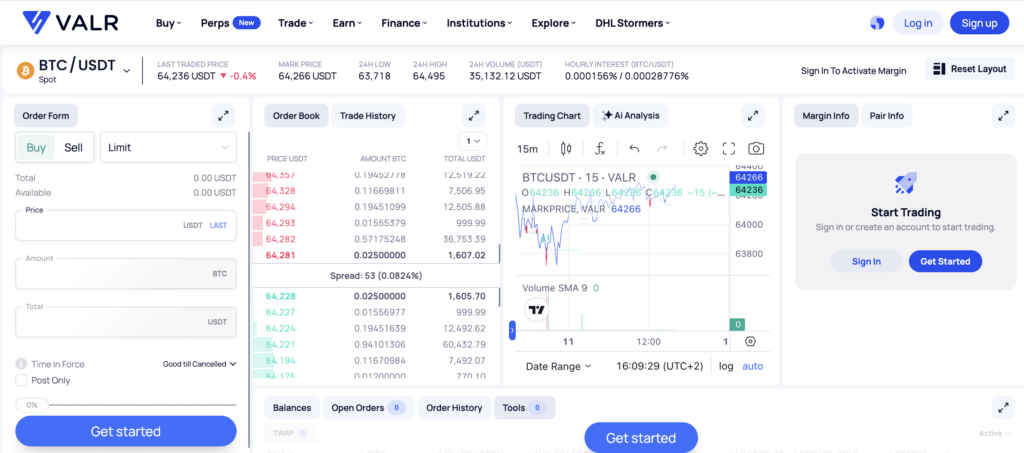
VALR is the best overall platform for South Africans who want to buy Ethereum in 2027.
It is useful for users who want local rand access, ETH trading and a platform that works for both beginners and more active traders.
VALR is useful for:
Buying ETH with rand.
ETH/ZAR trading.
Simple Buy and Sell.
Exchange orders.
South African bank deposits.
Auto-Buy style investing.
Active crypto users.
Users who want local support and deeper tools.
The main advantage of VALR is that it can support a beginner today and a more advanced user later.
A new user can buy ETH simply.
A more experienced user can learn limit orders, compare fees and manage execution more carefully.
This matters for ETH because many users eventually do more than buy and hold.
They may move ETH into wallets, use DeFi, bridge to Layer 2 networks or hold ERC-20 tokens.
Best for:
South Africans who want ZAR access, ETH/ZAR trading, local deposit options and stronger exchange tools.
Use VALR here:
Buy Ethereum on VALR with referral code VAZP2TAW.
2. Luno: Best Beginner Ethereum App
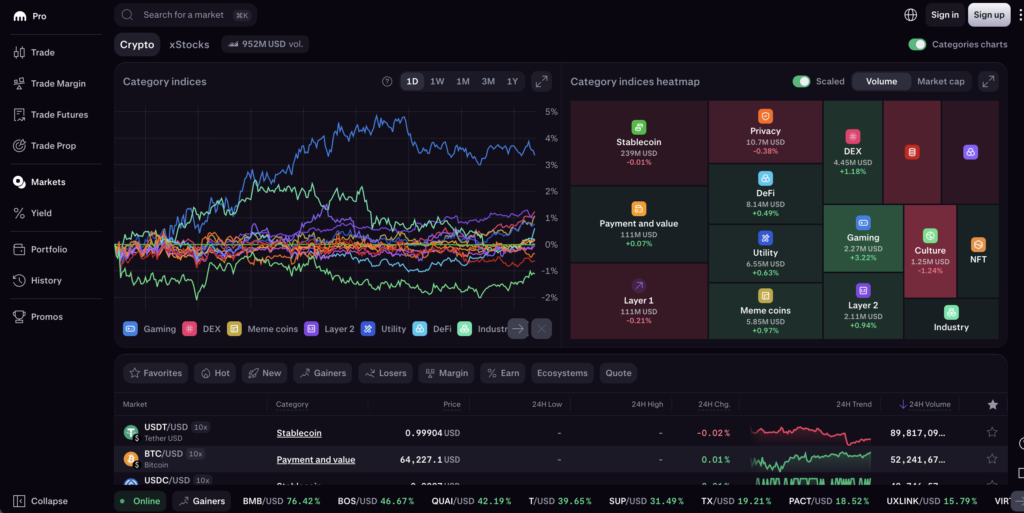
Luno is the best beginner ETH app for South Africans in 2027.
It is ideal for users who want a simple way to deposit rand and buy Ethereum without complex trading screens.
Luno is useful for:
First-time ETH buyers.
Small ETH purchases.
Repeat buys.
Simple rand deposits.
Mobile-first users.
Beginner crypto portfolios.
Users who want a clean app experience.
The main advantage of Luno is ease of use.
Ethereum can become complicated when users move into wallets, gas fees and DeFi.
Luno helps beginners start with the basics:
Deposit money.
Buy ETH.
Track the balance.
Learn safely.
The main limitation is that more advanced users may later want broader Web3 tools, deeper trading features or more network options.
That does not make Luno weak.
It makes it a strong beginner route.
Best for:
Beginners, simple ETH buying, mobile users and South Africans who want an easy first Ethereum platform.
Use Luno here:
Buy Ethereum on Luno with referral code MJV6YD.
3. OKX: Best Ethereum Ecosystem Platform
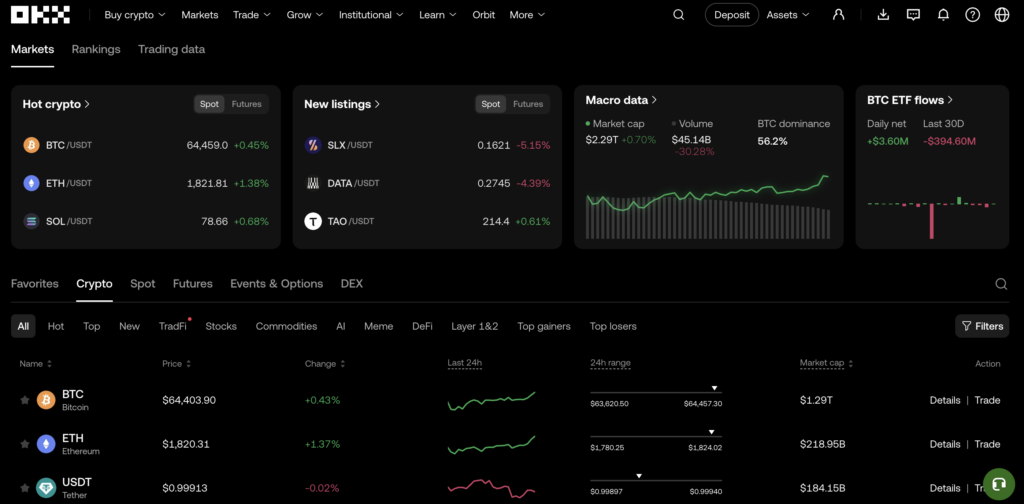
OKX is the best platform in this guide for South Africans who want broader Ethereum ecosystem access.
It is most useful for users who already understand the basics and want to move beyond simple buying.
OKX is useful for:
ETH trading.
Web3 wallet access.
Ethereum withdrawals.
DeFi exploration.
Layer 2 activity.
NFTs.
Stablecoin movement.
On-chain swaps.
Advanced crypto users.
The main advantage of OKX is that it combines exchange access with Web3 tools.
A user can trade ETH, explore supported networks, move into wallet activity and interact with the broader crypto ecosystem.
This is powerful.
It is also more complex.
Beginners should not rush into DeFi or cross-chain activity before understanding gas, network selection and wallet approvals.
Best for:
Ethereum ecosystem users, Web3 users, DeFi beginners, global exchange users and people who want more than a local buy-and-hold app.
Use OKX here:
Trade Ethereum on OKX with referral code 2136301.
4. Ledger: Best Wallet for Long-Term ETH Storage
Ledger is the best wallet in this guide for long-term Ethereum storage.
It is not where most South Africans will first deposit rand.
It is where many serious ETH holders should eventually store meaningful long-term balances.
Ledger is useful for:
Long-term ETH storage.
Self-custody.
ERC-20 token storage.
NFT storage.
DeFi users who want hardware wallet protection.
Reducing exchange custody risk.
Keeping ETH outside active trading accounts.
The main advantage of Ledger is private-key control.
The main risk is user responsibility.
The recovery phrase is the master backup.
If it is exposed, the wallet can be drained.
If it is lost, the wallet may become unrecoverable.
A strong Ethereum setup uses an exchange for buying and a secure wallet for long-term holding.
Best for:
Long-term ETH holders, self-custody users and anyone who wants to reduce exchange custody risk.
Use Ledger here:
Store Ethereum with Ledger.
Deposit Methods
South Africans usually buy Ethereum by depositing rand into a local exchange.
The most common method is bank transfer.
Some platforms may also support instant deposits, card payments or other local payment methods.
A typical rand deposit process:
Create an account.
Complete verification.
Open the ZAR wallet.
Select deposit.
Choose bank transfer or another supported method.
Copy the banking details.
Use the exact reference.
Pay from a bank account in your own name.
Wait for the balance to reflect.
Before depositing, check:
Fees.
Limits.
Processing time.
Payment reference.
Verification requirements.
Bank account rules.
Deposit method availability.
For South Africans, local rand access is usually the easiest route.
Use OKX as a global or Web3-focused option only after checking current support, funding routes and regional availability.
Buy ETH
After the rand deposit arrives, buying ETH is straightforward.
Most platforms offer two buying paths.
Simple buy
Simple buy is the easiest route.
You choose Ethereum, enter the rand amount and confirm.
This is best for:
Beginners.
Small purchases.
Mobile users.
Users who want speed.
People learning crypto basics.
The trade-off is that simple buy can include spread or convenience costs.
Exchange order
Exchange orders are more advanced.
You use a trading screen, select an ETH market and place an order.
This is best for:
Larger buys.
Limit orders.
Fee control.
Active users.
People who understand order books.
The best beginner process:
Start small.
Buy a small amount of ETH.
Check the balance.
Save the transaction record.
Do not rush into withdrawals.
Do not use leverage.
Learn network selection before moving ETH off the exchange.
The goal of the first ETH buy is education as much as exposure.
Network Selection
Ethereum network selection matters more in 2027 than ever.
ETH can move on Ethereum mainnet and across supported Layer 2 or EVM-compatible networks, depending on the platform and wallet.
Common network names users may see include:
Ethereum.
Arbitrum.
Optimism.
Base.
Polygon.
Other supported networks.
These are not interchangeable.
A withdrawal must use a network supported by the receiving wallet or exchange.
The ticker ETH is not enough.
The network must match.
A safe ETH withdrawal process:
Open the receiving wallet or exchange first.
Select ETH.
Select the exact network.
Copy the receiving address.
Go to the sending platform.
Choose the same network.
Check the fee.
Send a small test amount.
Wait for confirmation.
Then send the larger amount.
For Ledger, users should make sure they understand which Ethereum account, token account or supported network they are using before sending funds.
The most dangerous beginner mistake is choosing a cheap network that the receiving wallet or exchange does not support.
Cheap is not safe if the funds do not arrive.
Wallet Storage
A secure Ethereum storage plan is essential once the balance becomes meaningful.
Leaving a small learning balance on an exchange is normal.
Leaving all long-term ETH on an exchange is riskier.
A safer process:
Set up Ledger.
Write the recovery phrase offline.
Store it privately.
Install the Ethereum app.
Create an Ethereum account.
Generate a receiving address.
Verify the address on the device screen.
Send a small test transaction.
Confirm it arrives.
Send the larger amount later.
Keep records.
Do not store the recovery phrase in:
Email.
Cloud notes.
Screenshots.
Photos.
WhatsApp.
Telegram.
Google Drive.
Password managers unless you fully understand the trade-off.
A support agent, exchange, wallet app or website should never ask for your recovery phrase.
Gas Fees
Ethereum gas fees are paid in ETH.
Gas is required when you:
Send ETH.
Send ERC-20 tokens.
Use DeFi.
Approve tokens.
Swap on-chain.
Mint NFTs.
Bridge assets.
Interact with smart contracts.
Gas fees change based on network demand and transaction type.
A simple transfer may be cheaper than a DeFi interaction.
Layer 2 networks can reduce costs, but they add network-selection complexity.
A beginner should remember:
Always keep some ETH for gas.
Check the fee before confirming.
Avoid unnecessary DeFi approvals.
Do not send every last bit of ETH away.
Do not bridge assets until you understand the route.
Use Layer 2s only when you understand how deposits and withdrawals work.
Gas fees are not a bug.
They are part of how Ethereum processes transactions.
The key is to use the network intentionally.
Best Beginner Ethereum Setup
A practical beginner ETH setup for South Africans:
Use Luno for the easiest first buy.
Use VALR for stronger local ETH trading tools.
Use OKX when you want Web3 and broader Ethereum ecosystem access.
Use Ledger for long-term self-custody.
Start small.
Learn deposits.
Learn buying.
Learn gas.
Learn withdrawals.
Learn network selection.
Send a test transaction.
Avoid random DeFi apps at first.
Keep records.
Ethereum is powerful because it can do many things.
Beginners should not try to do all of them on day one.
Final Verdict
The best way to buy Ethereum in South Africa in 2027 is to start with a trusted rand-friendly platform, buy ETH safely, learn network selection and move long-term holdings into secure self-custody.
VALR is the best all-round South African ETH exchange.
Luno is the easiest ETH app for beginners.
OKX is the best Ethereum ecosystem platform for users who want Web3 access.
Ledger is the best long-term ETH storage tool.
The best 2027 Ethereum stack is:
Use Luno for simplicity.
Use VALR for ZAR access and local ETH markets.
Use OKX for Ethereum ecosystem access.
Use Ledger for secure long-term storage.
The hardest part of Ethereum is not buying ETH.
It is using ETH safely.
Check the network.
Keep ETH for gas.
Protect the recovery phrase.
Test first.
Scale later.
FAQ
How do I buy Ethereum in South Africa in 2027?
Create an account on VALR or Luno, verify your identity, deposit rand, buy ETH and move long-term holdings to a secure wallet such as Ledger.
What is the best ETH exchange in South Africa?
VALR is the best all-round ETH exchange in this guide. Luno is the easiest beginner option.
Can I buy Ethereum with rand?
Yes. South Africans can buy ETH with rand on platforms such as VALR and Luno.
Is Luno good for buying ETH?
Yes. Luno is useful for beginners who want a simple app and easy ETH buying experience.
Is VALR good for Ethereum?
Yes. VALR is useful for ETH/ZAR trading, rand deposits and South African users who want stronger local exchange tools.
Is OKX good for Ethereum?
OKX is useful for users who want ETH trading, Ethereum wallet access, Web3 tools and DeFi-related functionality.
What network should I use to withdraw ETH?
Use the exact network supported by the receiving wallet or exchange. For standard ETH storage, Ethereum mainnet is common, but Layer 2 networks may be available if both sides support them.
What are Ethereum gas fees?
Gas fees are transaction costs paid in ETH to send transactions or use Ethereum-based apps.
Should I store ETH on Ledger?
For meaningful long-term ETH holdings, Ledger is a strong self-custody option in this guide.
What is the biggest ETH mistake beginners make?
The biggest mistake is withdrawing ETH on the wrong network or exposing the wallet recovery phrase.
18+ Educational Disclaimer
This article is for educational purposes only and does not constitute financial advice, investment advice, tax advice, legal advice or a recommendation to buy, sell, hold, store, stake or trade Ethereum or any crypto asset. ETH is volatile and can lose value. Risks include exchange custody risk, price volatility, gas fees, wrong-network withdrawals, wrong-address transfers, wallet mistakes, recovery phrase loss, phishing, smart contract risk, DeFi approvals, tax obligations, regulatory changes and user error. Always verify fees, supported countries, deposit methods, withdrawal networks, wallet addresses and local regulations before acting. Crypto investing and self-custody are intended for adults aged 18 and over.
About the Author