People searching for no-KYC crypto exchanges should distinguish account registration from permission to trade or withdraw. Verification requirements vary by platform, account and jurisdiction, and can change. No-KYC does not guarantee anonymity, safety or unrestricted access.
Historical list: access corrections checked 15 November 2026. This article originated in 2024. MEXC and Phemex now require KYC for withdrawals and are not no-KYC recommendations. Other withdrawal limits, fees and platform details below have not yet received a complete current audit. Check the official rules and your account eligibility before depositing funds.
1. MEXC: Leading Exchange for Diverse Markets
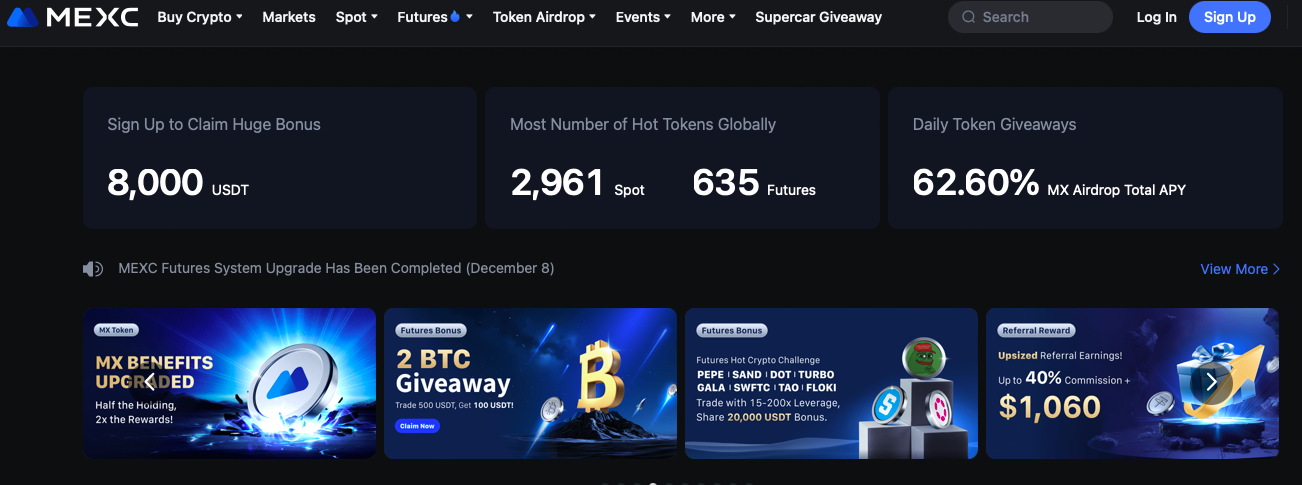
- KYC update (13 November 2026): MEXC’s official KYC notice says unverified users cannot deposit or withdraw and have restricted trading access. The previous 5 BTC daily non-KYC withdrawal claim is outdated. MEXC is retained for comparison, not as a no-KYC recommendation.
- Fees: 0% maker and 0.02% taker for spot trading.
- Regional Restrictions: Restricted in the US, Canada, and China.
- Pros:
- Supports over 2,300 cryptocurrencies.
- Low trading fees.
- High liquidity for diverse trading pairs.
- Cons:
- Limited availability in major markets.
- KYC is required for deposits and withdrawals, not just higher limits.
2. Tapbit: User-Friendly and Secure
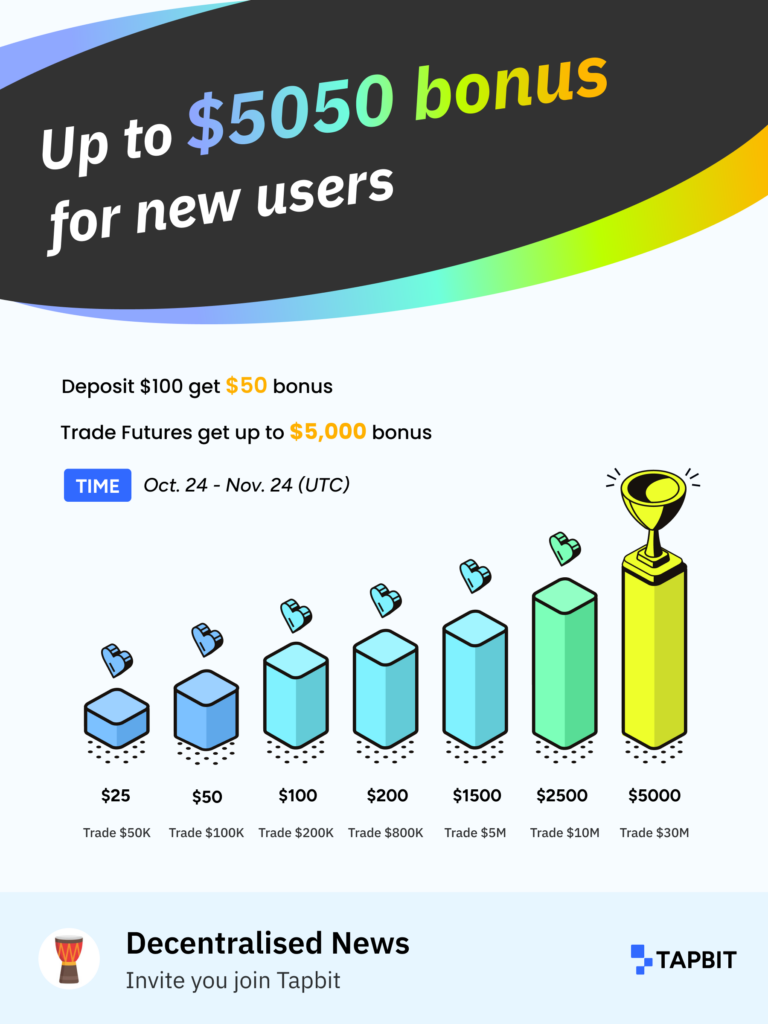
- Verification and withdrawal update (15 November 2026): Do not rely on the former $20,000 daily no-KYC allowance. Tapbit publishes differing limits across its help pages, and identity checks can apply to withdrawals. Confirm the limit and verification requirements shown for your own account, along with regional eligibility, before depositing. See the withdrawal FAQ and risk-control and verification notice. This is not a guarantee of verification-free access.
- Fees: 0.02% maker and 0.04% taker.
- Regional Restrictions: Not available in the US and a few other regions.
- Pros:
- Offers 100x leverage for futures trading.
- Modern and intuitive interface.
- Advanced trading tools, including copy trading.
- Cons:
- Limited withdrawal for non-verified users.
- Fewer supported cryptocurrencies compared to competitors.
3. gTrade: Rising Star in Crypto Derivatives
- No-KYC Features: Trade with up to 50x leverage.
- Regional Restrictions: Restricted in the US and a few other countries.
- Pros:
- Competitive trading fees.
- Advanced analytics and trading tools.
- High liquidity for derivatives markets.
- Cons:
- Limited fiat on-ramp options.
- Smaller asset selection compared to larger platforms.
4. dYdX: Best Decentralized Exchange for Perpetuals
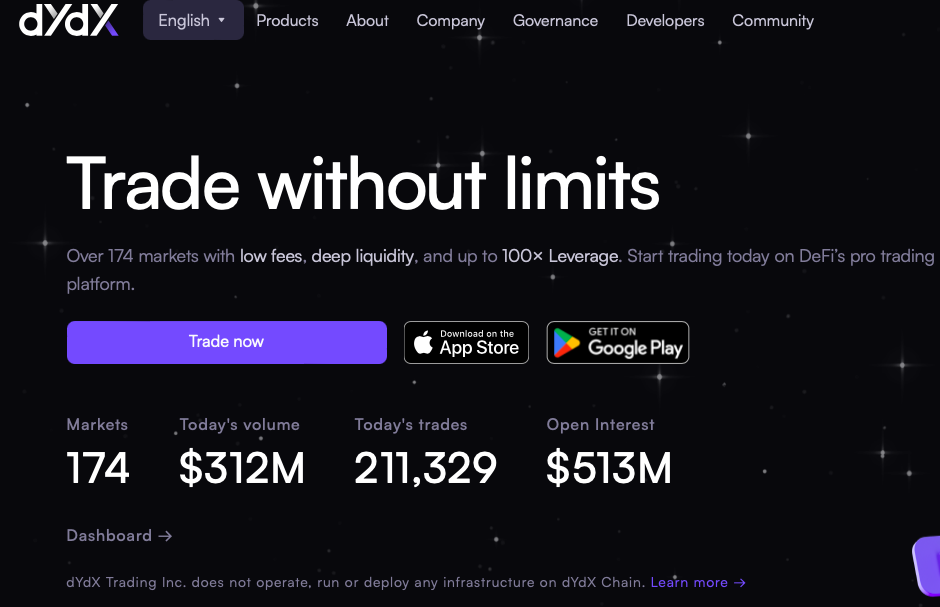
- No-KYC Features: Permissionless perpetual trading with no deposit or withdrawal limits.
- Fees: 0.02%–0.05%.
- Regional Restrictions: US and China restricted.
- Pros:
- Non-custodial trading for added security.
- DAO governance and token rewards.
- Seamless integration with wallets.
- Cons:
- Limited to Ethereum-based assets.
- Complex for beginners.
5. Uniswap: Best DEX for DeFi Enthusiasts
- No-KYC Features: Unlimited swaps and liquidity provision without KYC.
- Fees: 0.3% per transaction.
- Regional Restrictions: Restricted in Iran, Cuba, and Belarus.
- Pros:
- Permissionless trading across multiple chains.
- Access to a vast array of DeFi tokens.
- Highly liquid pools.
- Cons:
- High gas fees on Ethereum.
- Limited features compared to centralized exchanges.
6. PrimeXBT: Best for High-Leverage Trading
- Verification and withdrawal requirements: Trade crypto only after checking your eligibility and the rules for your contracting entity. The help centre describes a $20,000 crypto withdrawal limit before verification, but also says regional requirements vary. The withdrawal policy for PrimeXBT Trading Services Ltd (St. Lucia) says accounts must be fully verified for withdrawals and permits additional identity, address and source-of-funds checks. Do not interpret the help-centre limit as a universal promise of verification-free trading or withdrawals. Confirm the applicable requirements in your account before depositing. Sources: verification guide, St. Lucia withdrawal policy and entity-specific legal documents.
- Fees: 0.05%.
- Regional Restrictions: Not available in the US, Canada, and Algeria.
- Pros:
- Supports up to 200x leverage for crypto futures.
- Comprehensive market offerings beyond crypto.
- Robust copy trading platform.
- Cons:
- Limited access for non-verified users.
- Restricted in major regions.
7. CoinEx: Historical Entry, Exchange Wind-Down
- No-KYC Features: Status checked 16 November 2026: CoinEx exchange is winding down, not a current trading recommendation. Its official cessation notice scheduled registration closure for 15 September, non-spot service closure for 22 September, and spot trading closure for 29 September 2026. The announced withdrawal deadline is 22 December 2026 at 02:00 UTC. Existing users should consult the official notice for account and asset arrangements. The remaining bullets are historical, not current offers. Read CoinEx’s cessation notice.
- Fees: 0.08%–0.16%.
- Regional Restrictions: Not available in the US and China.
- Pros:
- Over 1,000 trading pairs.
- Beginner-friendly interface.
- Decent liquidity for day trading.
- Cons:
- Withdrawal limits for non-KYC users.
- High fees for non-VIP users.
8. LBank: Best for Spot Trading with Low Fees
- Verification update (15 November 2026): The former 10 BTC daily withdrawal allowance should not be treated as a guarantee for unverified users. LBank states that, for regions and accounts required to complete KYC, deposits, trading and withdrawals are unavailable until verification is completed. Confirm the requirements and withdrawal limit for your own account before depositing. See LBank KYC Identity Verification FAQs.
- Fees: 0.02%–0.1%.
- Regional Restrictions: Restricted in the US, North Korea, and others.
- Pros:
- Offers 125x leverage on derivatives.
- Over 600 cryptocurrencies supported.
- 24/7 customer support.
- Cons:
- Limited access in several regions.
- Withdrawal restrictions for non-verified users.
9. Changelly PRO: Best for Instant Swaps
- No-KYC Features: Crypto-to-crypto swaps with 1 BTC daily withdrawal limit.
- Fees: 0.1%.
- Regional Restrictions: Not available in the US, Cuba, and North Korea.
- Pros:
- Supports over 500 cryptocurrencies.
- Seamless wallet integrations.
- Simple, user-friendly interface.
- Cons:
- Limited services for non-verified users.
- Higher fees for fiat transactions.
10. Phemex: Versatile Platform for Spot and Futures
- KYC update (15 November 2026): Phemex requires identity verification for withdrawals. Its official KYC guide lists a 0 USDT withdrawal limit for non-KYC users. The previous $50,000 unverified withdrawal claim is outdated; Phemex is retained for historical comparison, not as a no-KYC recommendation. Source: Phemex identity verification guide.
- Fees: 0.01%–0.1%.
- Regional Restrictions: Restricted in the US, UK, and Canada.
- Pros:
- Low fees on futures trading.
- Wide range of supported assets.
- Mobile-friendly platform.
- Cons:
- No fiat trading pairs.
- Regional restrictions limit accessibility.
Why Use a No-KYC Exchange?
- Privacy: Avoid sharing personal information.
- Speed: Bypass lengthy verification processes.
- Regional eligibility: Regional restrictions and applicable law still apply. Do not use a VPN or false information to bypass a platform restriction.
Key Considerations When Choosing a No-KYC Exchange
- Limits: Many no-KYC exchanges cap withdrawals and services for non-verified users.
- Security: Ensure the platform has robust security measures.
- Fees: Look for competitive rates to maximize profits.
- Liquidity: High liquidity minimizes slippage during trades.
Conclusion
Whether you’re a seasoned trader or a privacy-conscious beginner, no-KYC exchanges provide valuable options for crypto trading. Platforms like MEXC (KYC required), Tapbit, and gTrade offer robust features and competitive fees, while Uniswap and dYdX cater to those in the DeFi space.
While no-KYC exchanges emphasize privacy, they require users to exercise caution. Always research platform security and transfer funds to personal wallets for safekeeping. Balancing privacy with security ensures a seamless trading experience in 2024 and beyond.
About the Author